How Many Calories Should You Eat to Build Muscle in Your 40s?
Chrissy Sundt · Nourishment ·
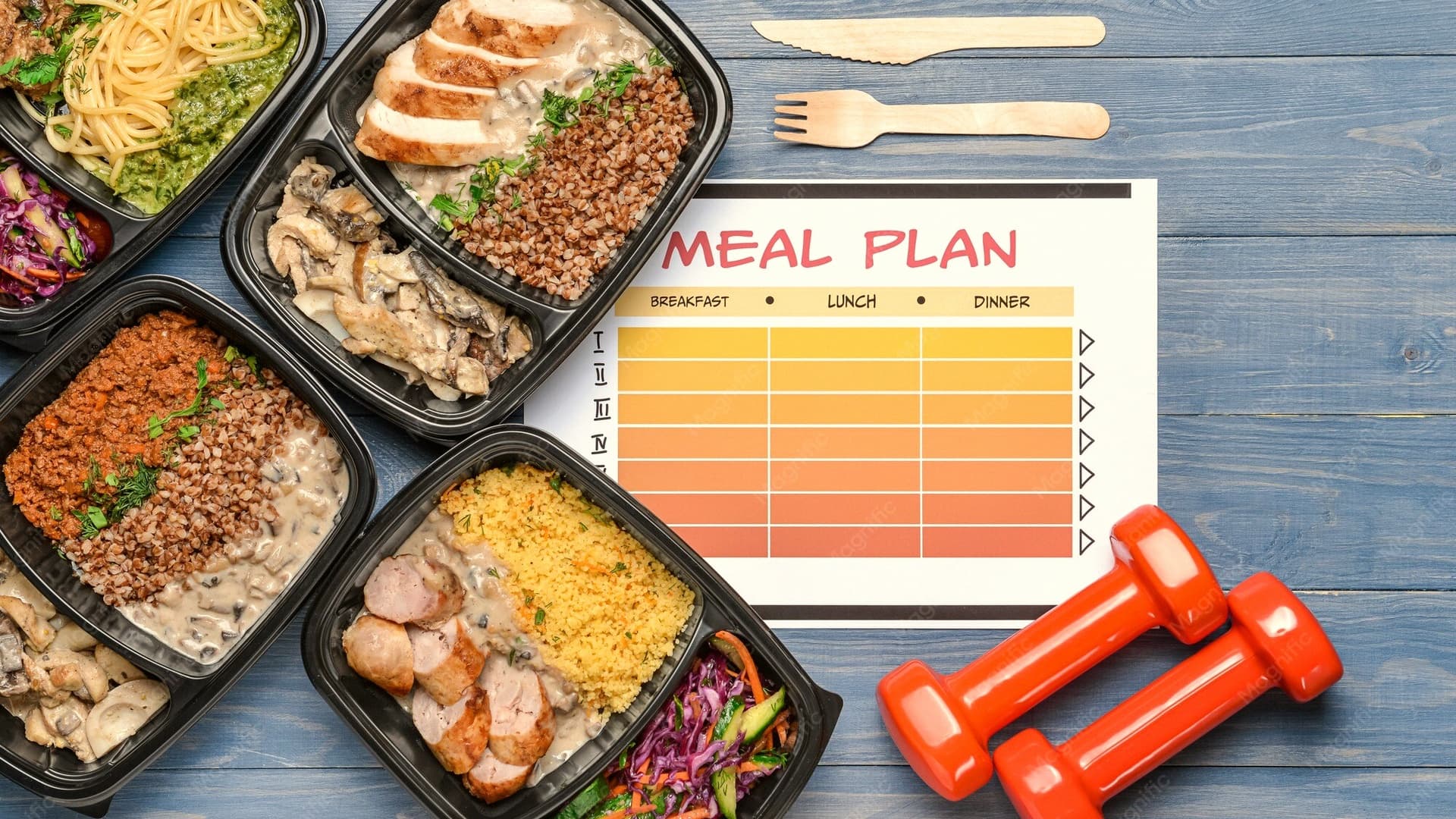
There isn't a single number that applies to every woman in her 40s, and treating one as gospel is where a lot of this goes wrong. What matters more is eating enough to fuel training and repair, without cutting back to compensate for a slower metabolism. Protein matters too. Spread it across most meals of the day instead of loading it all into one big dinner.
How Many Calories Do You Actually Need to Build Muscle in Your 40s?
Generic fitness calculators hand you a single figure based on age, height, weight and activity level, then treat it as fact. In your 40s, particularly somewhere in perimenopause, that figure is a rough starting point at best. Your energy needs move with training load, sleep, stress and hormonal fluctuation from one week to the next, so a "target" that worked at 32 can leave you under-eating or over-eating at 43 without it ever showing up on a scale.
Muscle responds to enough energy to support the training you're doing, plus the repair that follows it. That's the real driver, more than any single figure tied to weight alone. Midlife nutrition needs to serve the whole of this life stage. In practice, that means fuelling training days properly and giving protein a place at most meals, so it isn't all resting on dinner.
The Core Nutrition Reset was authored by clinical nutritionist Tina Lond-Caulk specifically for perimenopause, so the starting point is your actual physiology at this stage of life. A formula built for someone twenty years younger doesn't apply here.
Why Does "Just Eat Less" Backfire in Perimenopause?
The instinct to eat less when strength training isn't producing fast results is understandable, but it works against you here. Women are not small men, and that applies directly to fuelling: chronic under-eating alongside strength training slows muscle gain, because there's no spare energy left for your body to repair tissue once a session is over.
There's a physiological piece specific to this stage too: how your body responds to meals and training can shift through perimenopause, which is one reason a rigid, restrictive approach that worked fine in your twenties can feel completely different now. Restricting hard while also training hard and adjusting to that shift is a lot to ask of one body at once.
Training hard on too little food is still a stressor on the body, whatever the intention behind it. The aim is enough fuel to let the training do its job properly, session after session.
How Much Protein Do You Need, and When Should You Eat It?
Total protein matters, but how it's divided across meals matters just as much for building muscle in midlife. Many women eat almost none at breakfast, a modest amount at lunch, then most of the day's total in one large dinner. For muscle, that pattern is inefficient: your body can only make use of so much protein for repair in one sitting, so a day's worth eaten in one meal does less work than the same amount spread across three or four.
Practical adjustments matter more than precision here. None of this requires weighing food to the gram. It's about noticing where your protein currently sits in the day and nudging it earlier, particularly if breakfast is currently just coffee or toast.
Eating enough at regular intervals beats restricting during the day and trying to make up for it at night. Getting protein into three or four meals is a far more useful rule to work from than any single target number.
- Add eggs, Greek yoghurt or cottage cheese to breakfast to get protein in early
- Make lunch a proper sit-down meal with protein in it
- Keep dinner protein-forward, but built on top of what you've already had earlier in the day
What Does "Getting Sick" From Under-Eating Actually Look Like?
It rarely arrives as a dramatic event. More often it's tiredness that a good night's sleep doesn't fix, or training sessions that feel harder for no obvious reason. Strength can plateau even though you're showing up consistently, week after week. Some women notice they're permanently cold and short-tempered. Others find their appetite swings between not wanting to eat and being unable to stop once they start.
Demanding training is already a load on the body, and adding a calorie deficit on top of it asks a lot at once. Recovery matters just as much as what the scale shows. A plan built purely around eating as little as possible while training hard asks your body to manage too much on too little fuel.
Training and eating with intention isn't risky in itself. The target is enough energy to let recovery actually happen, so training builds you up instead of quietly wearing you down.
How Do You Build a Nutrition Plan for Muscle Without Guesswork?
Structure matters more than a single calorie target. A workable day for most women at this stage includes protein at each meal, enough carbohydrate to fuel the sessions you're actually doing, and consistency from week to week. That looks different from strict adherence on Monday followed by abandoning it by Thursday.
Notice which days ask more of your body, harder training, poor sleep, high stress, and let your eating move with that. That's a more useful skill than staying flat regardless of what the day demands, because it adapts as your training and your cycle change, which a fixed number never does.
If trial and error isn't how you want to approach this, The Core Nutrition Reset was built for this stage of life, factoring in more than age and weight alone.
- Match energy to training load: more on harder weeks, less on lighter ones
- Spread protein evenly across meals instead of stacking most of it at dinner
- Expect some weeks to need more food than others, and let that be normal
Common questions
Do I need to eat in a calorie surplus to build muscle in my 40s?
Only a modest one, if any. Many women can build strength while eating at or close to maintenance, provided protein is adequate and shows up at more than one meal. In practice, too large a deficit causes more problems than too small a surplus.
Can eating too little actually undo my training?
Yes, in the sense that muscle repair needs energy and protein to happen. Training hard while under-fuelled tends to show up as fatigue, stalled strength and slow recovery rather than faster results.
Does intermittent fasting help build muscle in your 40s?
It depends on the woman and the protocol, and results vary a lot between individuals. Some feel fine training through a fasting window; others find it leaves them low on energy or hungrier than it's worth. Test any protocol for a few weeks before assuming it works for you.
Is nutrition for building muscle in your 40s really different from your 20s?
The basic ingredients, protein, enough energy, consistency, are the same. What changes is how unforgiving your body is of getting it wrong: an approach that was merely uncomfortable at 25 tends to show up as fatigue and stalled progress at 45.
Should I track calories precisely to get this right?
No. Paying attention to protein at each meal and eating enough around training gets most women further than obsessive tracking, though tracking loosely for a week or two can be useful for seeing where the actual gaps are.