Vegetarian Protein for Women Over 50: What Actually Works
Chrissy Sundt · Nourishment ·
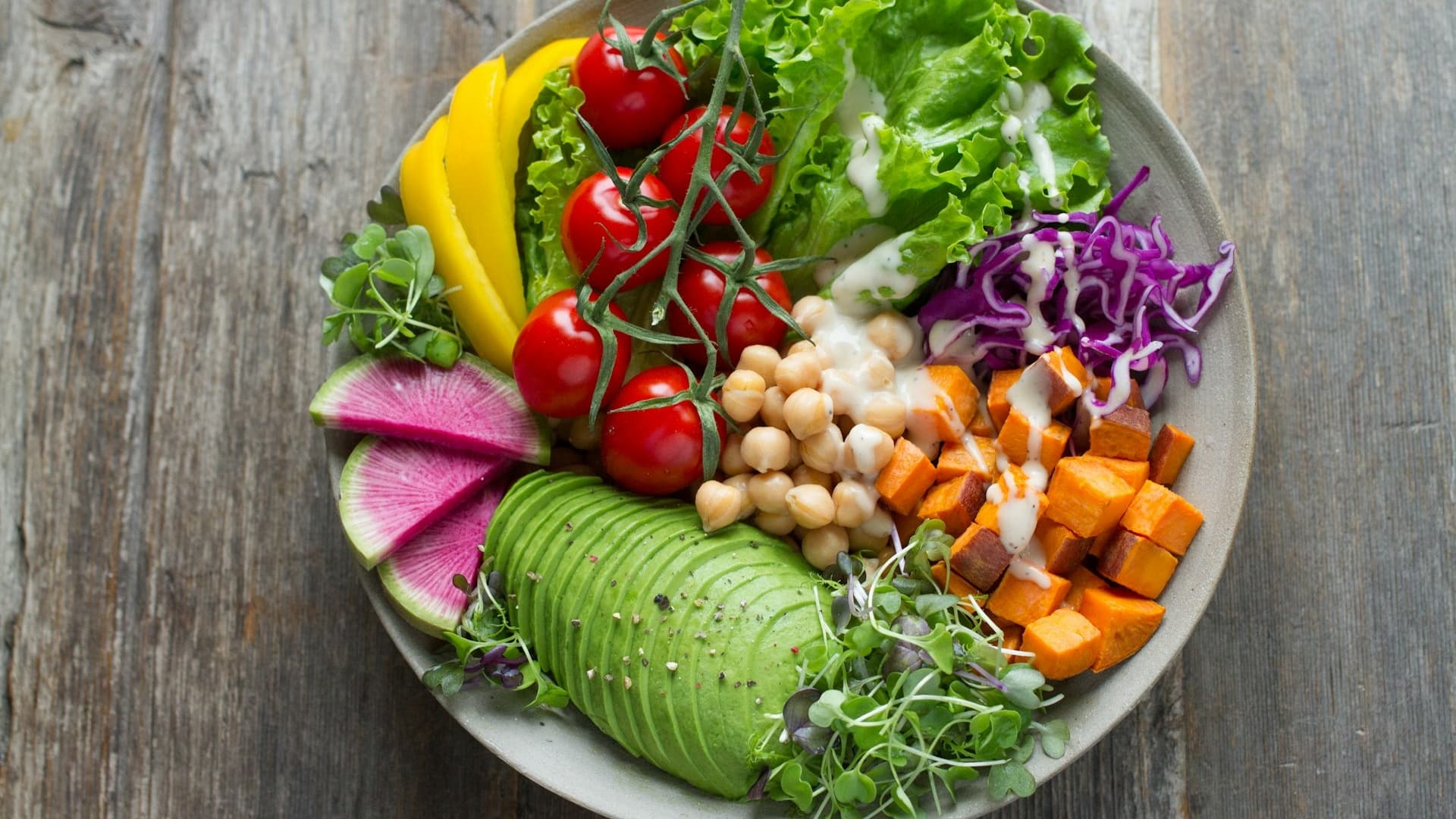
Good vegetarian protein sources for women over 50 include lentils, beans, tofu, tempeh, Greek yogurt, cottage cheese, eggs, quinoa and nuts. The key isn't finding one perfect food, it's spreading protein across every meal rather than saving it for dinner, and pairing plant proteins so you're getting a full amino acid profile.
Why does protein feel harder to get right in your 40s and 50s?
Something shifts in your 40s and 50s that makes protein feel like it suddenly matters, even if nobody ever explained why. You notice you're hungry again an hour after breakfast, or that a day built around toast and salad leaves you flat by mid-afternoon in a way it never used to. That isn't you doing it wrong. It's your body asking for a different approach, not more willpower.
A lot of vegetarian eating in your twenties and thirties ran quietly on convenience carbohydrate, bread, pasta, rice, the odd tin of beans thrown in, and it worked well enough. Appetite was forgiving, energy came back overnight, and nobody was paying close attention. That same pattern in midlife tends to leave protein as an afterthought rather than the anchor of the meal, and you feel the gap by mid-morning.
This isn't a case for eating more, or eating clean, or overhauling your kitchen. It's simply noticing that protein steadies things, how satisfied you feel and how long that lasts until the next meal, in a way starchy food alone doesn't manage on its own. Getting vegetarian protein right in midlife isn't a stricter diet. It's using a smarter map for the terrain you're actually standing on now.
Which vegetarian foods actually count as a decent protein source?
Not everything that feels virtuous on a vegetarian plate is doing much for your protein intake. A vegetable stir fry with a sprinkle of nuts, a bowl of pasta with pesto, a smoothie with spinach in it, these can be genuinely healthy and still leave you short. The foods that actually move the needle tend to be a smaller, more specific list, and it helps to know it properly rather than guess.
None of these need to be exotic or expensive. A tin of lentils, a block of tofu, a tub of natural yogurt and a bag of pumpkin seeds will cover most of a week if you know how to use them. The trick is treating these as the centre of a meal rather than a garnish scattered over the top of something else.
Plant proteins also work best in company. Beans and rice, hummus and wholemeal pitta, peanut butter on oat toast, these familiar pairings exist because they genuinely complement each other, rounding out the amino acids each one is missing alone. You don't need to plan this with a spreadsheet. Most traditional vegetarian food cultures, from Indian dal and rice to Mexican beans and corn, worked this out for you generations ago.
- Legumes: lentils, chickpeas, black beans, edamame, split peas
- Soy: tofu, tempeh, edamame, unsweetened soy milk
- Dairy and eggs: Greek yogurt, cottage cheese, kefir, eggs
- Grains that punch above their weight: quinoa, buckwheat, oats
- Nuts and seeds: almonds, pumpkin seeds, hemp seeds, peanut butter
How much protein do you actually need, and when should you eat it?
The more useful question usually isn't how much but when. Most of us eat vegetarian protein backwards, a light breakfast, a rushed lunch, and most of the day's protein arriving in one go at dinner. Spreading it out matters more than the total, since your body can only make good use of so much at a time.
Breakfast is usually the weak link. Toast, cereal and coffee might be quick, but they carry almost no protein at all, which is part of why mid-morning energy dips feel so familiar. Swapping in Greek yogurt with seeds, eggs, or a smoothie built on kefir or silken tofu rather than just fruit and juice changes how the rest of the morning feels, without adding much time to the routine.
A simple rule of thumb helps more than a precise number, a source of protein roughly the size of your palm at each meal, plus a protein-containing snack if there's a long gap between meals. You don't need an app or a food scale for this. You need a habit, protein first, then build the rest of the plate around it.
This isn't about hitting a perfect target every day. Some days lean more towards carbohydrate, and that's fine. What matters is the pattern across a week, not forensic accuracy at every meal.
What does a realistic day of vegetarian protein actually look like?
It helps to see this as a shape rather than a meal plan, because a meal plan implies there's a wrong way to deviate from it, and missing a day doesn't erase anything. A realistic day tends to have a protein source at breakfast, lunch, a snack and dinner, without any single meal doing all the work, and without needing to weigh a single thing.
None of this requires new equipment or a separate shopping trip. Tins of beans and lentils keep for months, frozen edamame goes straight from freezer to pan, and a block of tofu lasts a week in the fridge once opened. The aim is a rhythm you could keep on a tired Tuesday, not a showpiece you could only manage on a good day.
If a day goes sideways and lunch ends up being toast, that's simply information, not a failure. Returning to the pattern at the next meal matters more than any single day being perfect. This isn't a diet you're either on or off, with rules to break. It's a way of eating that holds up whether the week is calm or chaotic, tired or completely derailed.
- Breakfast: Greek yogurt with pumpkin seeds and berries, or scrambled eggs on wholemeal toast
- Lunch: a big salad with chickpeas or lentils, plus a boiled egg or a handful of feta
- Snack: hummus with vegetable sticks, or a small handful of almonds and an apple
- Dinner: a tofu or tempeh stir fry, or a bean chilli with rice
Do you need protein powder or supplements if you're vegetarian and over 50?
Not necessarily. If you're getting a source of protein at most meals, tofu, legumes, dairy, eggs, a protein powder isn't filling a gap that doesn't exist. Plenty of vegetarian women get everything they need from food alone, and there's no requirement to add a supplement just because it's sitting on a shelf.
Where it does earn its place is convenience. If breakfast is eaten standing up, or a session leaves you short on time before the next meal, a plant-based protein powder, pea, soy or a blended vegetarian mix, stirred into porridge or a smoothie is a reasonable shortcut. It's a tool for a busy morning, not a foundation you need to build a whole routine around.
The same applies to movement. A strength session sits alongside food that supports it, not instead of thinking about food at all. If you're doing structured strength work, such as Awaken Barre, having a protein source within a couple of hours either side tends to feel more comfortable, though this is about how your day feels, not a clinical requirement.
If working out what to eat every day, on top of everything else, feels like one more job you didn't sign up for, that's exactly the gap The Core Nutrition Reset was built to close.
Common questions
Is tofu a complete protein for vegetarians over 50?
Yes, soy foods like tofu, tempeh and edamame contain all the essential amino acids in one food, which makes them genuinely useful staples rather than just a meat substitute. You don't need to pair them with anything else to make them complete.
Do I need to eat beans and rice in the same meal to get a complete protein?
No, that's an older idea that's since been dropped. As long as you're eating a reasonable variety of plant proteins across the day, beans at lunch and grains at dinner still work together.
What's a quick high-protein vegetarian breakfast that isn't eggs?
Greek yogurt or kefir with pumpkin seeds and a spoon of nut butter takes under two minutes and carries far more protein than toast or cereal. Overnight oats made with milk or a fortified plant milk and chia seeds is another good no-cook option.
Can I get enough protein without protein powder?
Yes, most vegetarian women can meet their needs through food alone if protein shows up at every meal rather than just at dinner. Powder is a convenience option, not a requirement.
Does perimenopause change how much protein I need?
Not fundamentally, the same approach still applies, protein at every meal rather than saved for dinner, spread across the day. Needs vary from person to person, and if you want this properly personalised, that's exactly what a nutritionist-led programme like The Core Nutrition Reset is for.