Simple Nutrition Habits for Midlife Women: Where to Start
Chrissy Sundt · Nourishment ·
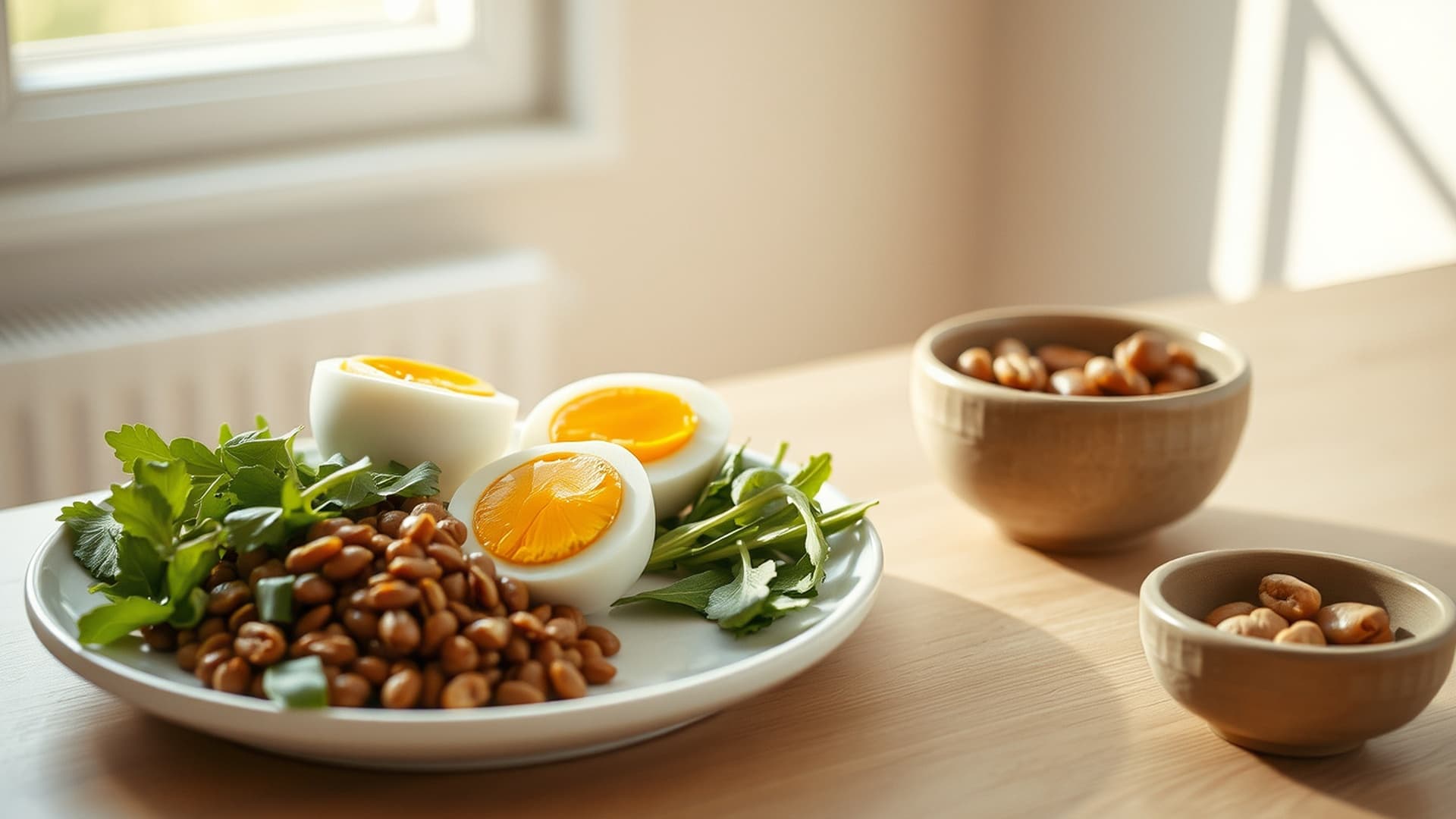
Simple nutrition habits for midlife women start with enough protein at each meal, a wider range of plants across the day, and meals spaced at steadier intervals through the day. It's a smarter way of eating for the body you have now, built one habit at a time.
Why do the nutrition rules that used to work stop working?
If the way you used to eat in your thirties doesn't seem to work the same way now, you're not alone. The old shorthand of just eating less was never built for this stage of life. How individual and how variable that response is from one woman to the next is part of why generic advice keeps missing the mark for so many of us.
That variability is exactly why a single meal plan or calorie target rarely holds up for long. What worked for a colleague, or what worked for you a decade ago, may simply stop fitting. The useful move here is to change the approach itself.
You don't need to relearn nutrition from scratch. Most of what changes is emphasis. A little more protein. A little more fibre. Meals spaced out so an afternoon slump isn't riding on willpower alone. The shifts are small and specific, and they happen one at a time.
What's the simplest place to start with protein?
Protein is often the place to start. What you eat matters here as much as how much you eat, and protein sits at the centre of that: it's what supports the muscle and strength you're actively working to keep as you train.
In practice this means noticing whether your first meal of the day has any protein in it at all, and building from there: eggs, yoghurt, a tin of beans, leftover chicken. Toast alone leaves lunch to catch up, and it rarely does. None of it needs weighing food or hitting a number.
Spreading protein across three meals tends to work better than loading it all into dinner. If breakfast and lunch are usually the thinnest on protein, that's the easiest gap to close first. Dinner usually takes care of itself already; breakfast and lunch are where the actual gap sits.
A simple test for a fortnight: buy one more protein source than usual at your next food shop and put it somewhere visible, so it's the easy option to reach for.
- Add eggs, Greek yoghurt or kefir to breakfast
- Keep tinned beans, lentils or chickpeas in the cupboard for a fast lunch
- Treat breakfast and lunch as the priority for protein
How can I get more fibre and plant variety without overhauling my meals?
Plant diversity means the range of different plants you eat across a week. Five a day is a rough guide at best. The aim is a wider range of food than you're currently eating, which is a different question from eating more of it.
A simple habit here is to swap in something different at the shop each week: a bean you don't normally buy, or a vegetable you'd normally walk past. Frozen and tinned count fully, and the plate doesn't need to look perfect or colour-coded.
Reducing ultra-processed food sits alongside this, but it doesn't need to be absolute. Swapping one or two processed staples a week, a shop-bought sauce for a version you make in ten minutes, a packaged snack for nuts and fruit, moves the average without demanding total control over everything you eat.
None of this needs meal-planning software or a shopping list overhaul. It needs a slightly wider basket at the shop you already do, filled a little differently each week.
- Add one new plant food to your basket each week
- Keep frozen vegetables or pulses on hand as a fibre top-up, not just fresh produce
- Swap one processed staple a week for a simpler version, not everything at once
Do I need to eat less as I get older?
This is one of the most common questions, and it's worth answering directly: no, not as a rule. Under-eating, particularly under-eating protein, can work against the strength and energy most women in midlife are actually trying to build. Eating enough matters just as much as how you train.
Eating regularly through the day is the more useful habit to build. Long gaps without eating, followed by a large meal, can leave you feeling flatter and hungrier than eating at regular intervals through the day. Rhythm is what seems to help here.
If a particular way of eating has left you tired, irritable or thinking about food constantly, that usually means the approach doesn't fit this stage of life. The approach needed to change. You didn't need to try harder.
A simple test: for a week, eat at roughly the same three or four points each day and notice, honestly, whether you feel steadier by the afternoon. That's a genuinely useful measure, regardless of what any label says.
How do I make these habits actually stick?
Most nutrition advice fails because it asks for too much change too fast. The habits worth keeping in midlife are the ones you can still be doing in a year, which usually means picking one thing at a time. Start with protein at breakfast, one new plant food a week, or steadier meal timing, and leave the other two for later.
A skipped breakfast or a takeaway week doesn't undo the previous fortnight's habit. Coming back to it is what actually counts, streak or no streak.
It helps to think of this as a way of eating you can live inside for good. That's the difference between a habit and a programme you finish and stop. It's part of why The Core Nutrition Reset is built around perimenopause specifically: the habits are meant to fit a body that's genuinely changing.
Start smaller than feels meaningful. A habit you can still do on your worst week is worth more than an ambitious one you abandon by February.
Common questions
What's the single easiest nutrition habit to start with in midlife?
Adding a source of protein to your first meal of the day is a good place to start. It doesn't require tracking or planning, just choosing eggs, yoghurt or leftovers over toast alone.
Do I need to cut carbohydrates as I get older?
Not as a hard rule. Steadier meals with more protein and fibre are usually the better lever to pull, and cutting carbs without replacing them can leave you under-fuelled for training.
How much should I change at once?
One habit at a time. Trying to overhaul protein, fibre and meal timing simultaneously is usually why changes don't last, so picking a single starting point makes it far more sustainable.
Is this the same as a weight-loss diet?
No. These are habits aimed at steadier energy, strength and how you feel day to day. There's no restrictive plan or target weight attached to them.
Where can I get more structured support with this?
The Core Nutrition Reset sets out a fuller, perimenopause-specific approach to these same habits for anyone who wants more structure than a single article can offer.