What to Eat Before a Barre Class in Perimenopause
Chrissy Sundt · Nourishment ·
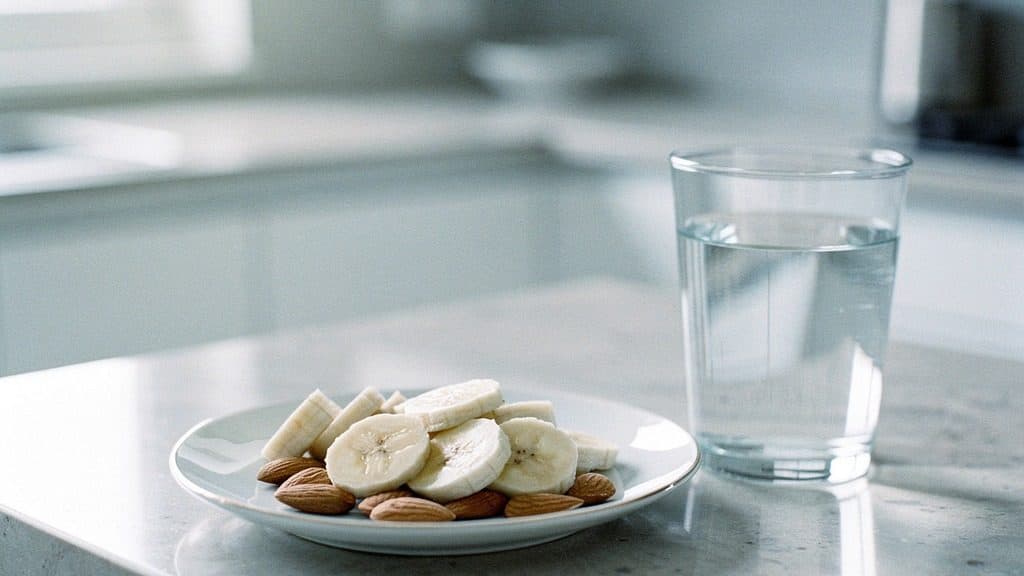
Eat a small, balanced snack 30 to 60 minutes before an Awaken Barre class: something with protein and a little carbohydrate, such as Greek yoghurt with berries, toast with nut butter, or a banana with a few almonds. Avoid heavy or very high-fibre meals right beforehand, and don't train on empty if your mornings run low on energy.
Why does what you eat before barre actually matter?
Barre is a fitness discipline inspired by ballet, not a dance class, and it needs no dance background. The barre itself is a balance aid, much like the back of a sturdy chair. What it does ask of you is focused strength and mobility work in a short window, so your body needs to be ready to work, not sluggish and not running on fumes.
In perimenopause, energy through the morning can feel less predictable than it used to. Some days you're genuinely fine on an empty stomach; other days you're flat by the tenth minute of class. Nutritionist Tina Lond-Caulk, who wrote MMM's Core Nutrition Reset, works with clients on eating in a way that keeps energy steadier through the day rather than skipping meals and hoping for the best.
This isn't about eating less to control your shape before you train. You want enough in the tank to do twenty focused minutes properly, then carry on with the rest of your day without crashing an hour later.
How long before class should you eat?
Timing matters more than most people expect. A proper meal, plate-sized with protein, carbohydrate and vegetables, sits better two to three hours before a barre class, giving your digestion time to settle before you're moving through holds and small pulses.
If class falls sooner than that, a smaller snack 30 to 60 minutes beforehand tends to work well for most people. Close to class time, you want something easy to digest rather than a heavy plate still sitting in your stomach when you're on your toes at the barre.
There's no single correct window that suits everyone, and perimenopause can shift what felt reliable for years. If a snack an hour out has always worked and suddenly leaves you uncomfortable mid-class, that's worth noticing and adjusting, not ignoring or pushing through.
Trial and error over a few sessions will tell you more than any rule. Keep a rough note of what you ate and when, alongside how the class actually felt, and a pattern usually shows up within a couple of weeks.
What should actually be on the plate?
For a pre-barre snack, pair a little protein with a little carbohydrate. Greek yoghurt with berries, a slice of wholegrain toast with nut butter, a banana with a handful of almonds, or oatcakes with hummus all do the job without sitting heavily.
This isn't the life stage to eat less around training. Protein in particular matters, spread through the day rather than saved for one meal, and that includes the food you have on your way into class.
If you're eating a fuller meal two to three hours out, build it the way you'd build any meal: a protein source, some carbohydrate, vegetables, a little fat. Porridge with nut butter and fruit, eggs with wholegrain toast, or a chicken and grain bowl all work as a solid base for a strength and mobility session.
Water matters here too, though it's easy to overlook. A glass with your snack or meal, and again shortly before class, does more for how you feel through those twenty minutes than most people expect.
Is it fine to do barre on an empty stomach?
Plenty of women train first thing, straight out of bed, and feel perfectly capable doing it. If that's you and you're not shaky, foggy or flagging halfway through, there's no need to force food in beforehand just because a rule says so.
Others find fasted training in perimenopause feels different from how it used to. Energy dips arrive sooner, focus goes first, and the class feels harder than the effort should warrant. That's not you failing at something you used to manage fine. Your body is simply running on a different pattern than it did five years ago.
If mornings have started to feel unreliable, a small snack even fifteen minutes before class, something as simple as a few dates or a spoonful of nut butter, can be enough to steady things without needing a full meal.
This isn't a diet plan and there's no single right answer for every body every morning. It's worth testing both ways over a few sessions and paying attention to which one leaves you able to actually do the class, rather than just get through it.
What's worth avoiding before class?
A large, heavy meal in the hour before barre is the most common thing to catch people out. Rich or high-fat food takes longer to digest, and that discomfort shows up fast once you're holding a position or moving through small pulses at the barre.
Very high-fibre foods close to class time, think a big bowl of beans or a large raw salad, can also sit uncomfortably when you're bending, folding and changing position repeatedly. Save those for meals with more of a gap either side.
Caffeine on a completely empty stomach right before training can leave some women jittery rather than sharp, particularly if energy already feels less steady than it used to. If coffee is part of your routine, having it alongside a little food tends to sit better.
Alcohol the night before is also worth a thought, less for the class itself and more for the sleep and steadiness that shape how the next morning feels. There's no strict rulebook here, just paying attention to what actually leaves you able to move well.
Common questions
Can I do barre on an empty stomach?
Yes, if that's genuinely how your body feels best. Some women train fasted with no issue, others find energy dips sooner in perimenopause and do better with a small snack beforehand.
What's a good quick snack if I only have ten minutes before class?
A banana, a few dates, or a spoonful of nut butter all digest quickly and give you something in the tank without sitting heavily during class.
Should I eat differently before barre than before a run or a gym session?
The same basics apply, protein and a little carbohydrate, timed sensibly beforehand. Barre involves a lot of holds and small controlled movement, so very heavy or high-fibre food tends to feel more noticeable than it would before, say, a walk.
Does eating before barre help with hot flushes or energy crashes during class?
We can't make claims about specific symptoms, but eating in a way that keeps your energy steadier through the day, rather than skipping meals, is a habit nutritionist Tina Lond-Caulk builds into the Core Nutrition Reset.
What should I eat after an Awaken Barre class?
A meal or snack with protein within a couple of hours suits most people well after strength and mobility work, alongside water. There's no need to overhaul this around a twenty-minute session.