What If Consistency Was Never Meant to Be Boring?
Chrissy Sundt ·
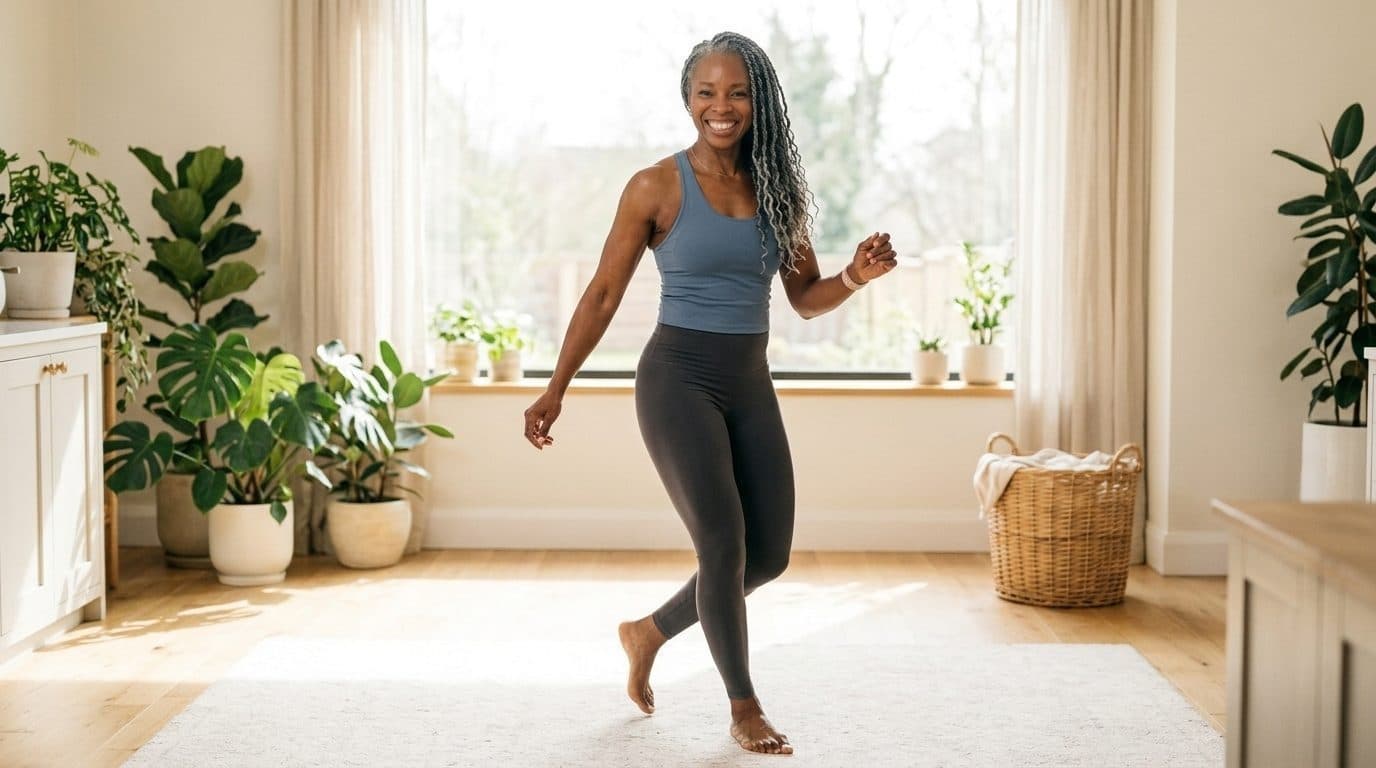
Consistency does not have to mean a joyless checklist. In midlife, the habits that stick are the ones that feel worth returning to: short sessions, pleasant enough to repeat, built around strength and recovery rather than punishment. Boring routines fail when life gets full. Pleasure and intelligence keep you showing up.
I came across a post recently that declared, “Be boring. This is what long-term health looks like.”
The message was simple. Wake up early. Walk every day. Lift weights. Cook at home. Go to bed early. Repeat.
At first, I found myself agreeing. After all, the foundations of good health really are remarkably simple (we just love to overcomplicate them and the wellness industry encourages us towards endless products for ‘optimisation’). But actually, we know what works. We have known for decades (maybe centuries). There is no secret shortcut.
But then I paused.
Because whilst I believe health is built through repetition, I do not believe repetition has to feel boring.
In fact, I think that idea is one of the reasons so many women struggle to stay consistent. Somewhere along the way we have started believing that if something is enjoyable, it cannot possibly be good for us. We wear exhaustion as a badge of honour. We admire discipline more than delight (that hair shirt is SO chic on you!). We assume that wellness should require endless willpower.
I think there is a better way.
One of the greatest gifts perimenopause has given me has been the opportunity to rethink my relationship with health. For years I believed the answer was always to push harder. If I felt tired, I trained anyway. If I missed a workout, I felt guilty. If I fell off track, I tried to make up for it by doing more.
Looking back, I can see that I was trying to motivate myself through criticism rather than compassion. The irony is that it never really worked.
The older I have become, the more I have realised that my body responds beautifully to kindness and remarkably badly to punishment. It thrives when I nourish it. It softens when I slow down. It becomes stronger when I work with it instead of constantly demanding more from it. That has changed everything.
These days I am much less interested in becoming a disciplined person (although I am one now by habit). I am far more interested in creating a life that I genuinely enjoy living.
Because if something feels good, I naturally want to come back to it tomorrow. That is what real consistency looks like.
My workouts are a perfect example. Of course there are mornings when I would happily stay in bed for another hour. I am no different from anyone else. Motivation comes and goes.
But then the music starts. My body begins to move. I feel myself becoming stronger with every move and every class. By the time I finish I have more energy than when I started. I feel calmer. My mind is clearer. My posture is taller.
I do not return because I have extraordinary discipline. I return to the mat again and again because I remember how wonderful I feel afterwards.
Healthy eating has changed too. I no longer think of it as following rules or avoiding treats. I think about creating moments that feel abundant. I love putting on music while I cook (remember dancing before you eat will wake up the digestive system even more than a walk after dinner!). I open the windows. I buy beautiful fresh ingredients whenever I can. Sometimes I dance around the kitchen while dinner is bubbling away. Sometimes I set the table beautifully even if I am eating on my own.
Suddenly I am not simply preparing a healthy meal. I am creating an experience that nourishes me, that feels joyful!
The same is true of walking. I have stopped seeing it as another task to tick off my list. Instead, it has become an opportunity to notice the world around me. The morning light. The changing seasons. The sound of the sea. The smell after rain. The tiny details that I would have rushed past before.
Movement becomes something far richer and incidentally much more effective, when we allow ourselves to be fully present. The intentional and joyful 20 minutes will always beat hours spent listlessly pottering around the gym looking at your phone.
Even sleep feels different now. Going to bed early is no longer something I should do. It has become one of my favourite rituals. Fresh sheets. Soft lighting. A good book. Magnesium. A few quiet moments before sleep that feel special.
It feels less like discipline and more like a gift I give to tomorrow’s version of myself.
Perhaps this is where self compassion quietly changes everything.
There is a common misconception that being kind to ourselves means lowering our standards. The opposite is often true. Women who practise self-compassion are more likely to return to healthy habits after setbacks because they do not waste precious energy beating themselves up.
Instead of saying, “I have failed,” they simply say, “Tomorrow is another opportunity.”
That small shift changes the conversation entirely.
I think we have spent too long trying to build healthy lives through pressure.
What if we built them through pleasure instead?
What if we chose movement that made us smile?
What if we filled our kitchens with music?
What if we met friends for long walks instead of drinks?
What if rest became something we looked forward to instead of something we felt guilty about?
What if healthy habits became little rituals of joy rather than acts of self-denial?
That, for me, is what The Midlife Movement Method has always been about.
It is not about perfection. It is not about punishment. It is certainly not about forcing yourself through another workout that you dread.
It is about creating a life where movement feels empowering, nourishing food feels delicious, sleep feels luxurious and connection fills your cup. Because once those habits become things you genuinely love, consistency almost takes care of itself.
Perhaps we have misunderstood consistency all along. Maybe consistency is not about becoming someone who can tolerate boredom. Maybe it is about becoming someone who learns to fall in love with the ordinary:
The morning walk.
The strength session that makes you feel capable.
The nourishing lunch.
The early night.
The laughter in the kitchen.
The quiet moments in the sunshine.
These are the rituals that shape a healthy life. They may never go viral. They may never look particularly glamorous. But they are the moments that quietly transform us.
Health is not built in dramatic moments, it is built in beautiful ones and perhaps that is the real secret.
Do not just repeat healthy habits. Create a life for yourself that makes you want to repeat them. That is where joy lives and almost without noticing, that is where consistency begins.
If you want this as movement rather than another article, Awaken Barre is the twenty-minute programme I built for a body that has already changed.
First published in The Midlife Movement, Chrissy’s newsletter.
Common questions
Why do we think consistency has to be boring?
Many people have come to believe that if something feels enjoyable it cannot really be good for us, so discipline and exhaustion get prized over delight. Chrissy suggests this belief is actually part of why staying consistent feels so hard, since it leaves willpower to do the work joy could be doing instead.
How does self-compassion help with healthy habits?
Being kind to yourself after a setback means less energy spent on self-criticism and more energy available to simply start again. Rather than dwelling on having failed, the shift is to treat tomorrow as another opportunity, which makes it easier to return to a habit instead of abandoning it.
What does joyful movement look like day to day?
It means choosing movement you actually want to return to, like a strength class with music playing, or a walk where you notice the morning light, the changing seasons and the sound of the sea, rather than treating exercise as another box to tick.
Does enjoying a workout make it more effective?
Being fully present during a short, intentional session is described as more effective than long stretches of half-hearted activity, such as pottering around a gym while distracted. The same idea applies to meals and sleep, where the ritual around the activity matters as much as the activity itself.
What is The Midlife Movement Method built around?
It centres on creating a life where movement feels empowering, food feels nourishing, sleep feels luxurious and connection fills your cup, rather than chasing perfection or forcing yourself through habits you dread. Once those things feel good, showing up for them tends to happen on its own.