How to Advocate for Yourself When a Doctor Dismisses Your Midlife Symptoms
Chrissy Sundt · Connection ·
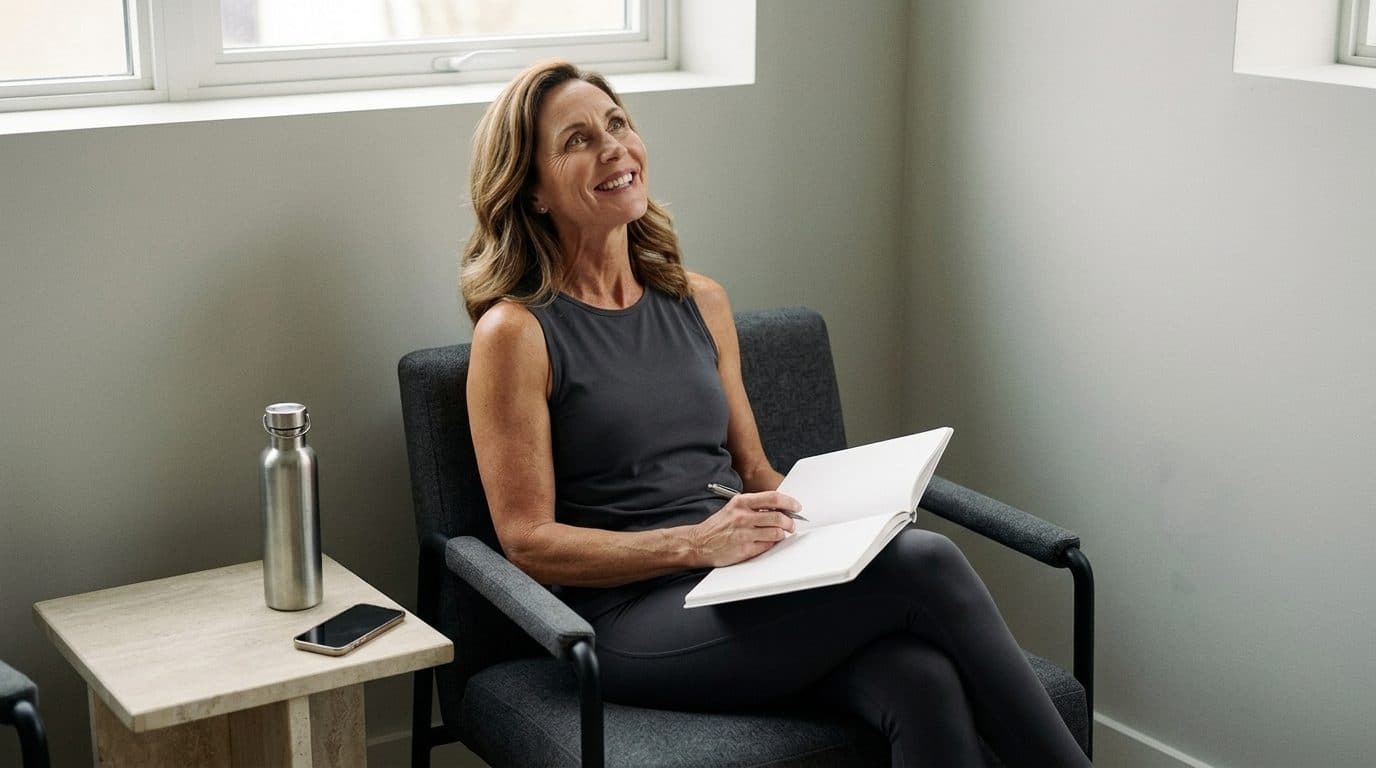
Advocating for yourself means arriving prepared: a written symptom log with dates and patterns, specific language instead of vague complaints, one clear ask per visit, and a request that your concern be documented even if no action is taken yet. If you're still dismissed, you're allowed to seek a second opinion or a different GP.
Why Do Doctors Dismiss Midlife Symptoms in the First Place?
Many women walk into an appointment with a list of real changes, sleep that no longer holds through the night, joints that ache in new places, a fog that wasn't there two years ago, and walk out with "it's just your age" or a suggestion to manage stress better. This isn't a one off experience. It's a pattern enough women describe that it's worth naming plainly: being waved off in midlife is common, and it isn't personal.
Part of it is structural. A standard appointment is built around one problem, not a dozen interconnected ones. When you're describing sleep, mood, joints, memory and cycle changes together, each symptom on its own can look minor, even though the pattern across all of them is not. Perimenopause sits awkwardly across specialisms too, which means no single part of the system is set up to see the whole picture unless you bring it to them already assembled.
None of this means the system was right to dismiss you, and none of it means what you're feeling isn't real. It does mean the appointment goes better when you've done some of that pattern recognition yourself beforehand, because a ten minute slot was never going to catch it from a standing start. If dismissal in a consulting room echoes a wider sense you've had of feeling invisible in midlife, that's worth paying attention to as well, not just the symptom itself.
How Do I Prepare Before the Appointment?
Start a simple log before you ever book the appointment, not after. Write down what you notice and when: sleep broken at 3am three nights this week, a knee that aches on stairs it didn't used to, a period that arrived nine days early. Dates and patterns carry more weight than a general sense that something is off, and they give a doctor something concrete to respond to rather than an impression to interpret.
Before you go in, decide on the one thing you most want from this specific visit. That might be a blood test, a referral, or simply having a symptom written into your notes so there's a record if it continues. Trying to raise everything in one short slot usually means nothing gets properly addressed. One clear ask, stated early, is far more likely to get followed through on.
Bring the list in writing, even if you never hand it over. Reading from a few prepared lines when you're anxious or rushed is far easier than trying to recall six weeks of detail on the spot, and it stops the conversation drifting toward whatever you happen to mention first rather than the thing that matters most.
- Note the date and the detail: "3am waking, three nights this week" rather than "I'm not sleeping well"
- Pick one outcome you want from this visit before you walk in
- Write your opening line down in advance so nerves don't water it down
What Do I Say When I'm Not Being Heard?
If a symptom gets waved away, it's fair to ask a direct question rather than let it drop. "Can we note that in my file, even if we're not doing anything about it today?" or "What else could be causing this, if it isn't my age?" Both put the conversation back on record without turning the appointment into a confrontation.
If you're offered general reassurance instead of an answer, ask for specifics. "What would make you look into this further?" or "What would I notice if this got worse, and when should I come back?" These are harder to deflect with a shrug, because they ask for a plan rather than a feeling.
If you leave without what you came for, say so before you leave the room. "I don't feel this has been looked into properly, what are my options?" moves the decision from something you carry alone back onto the appointment itself.
You're allowed to ask for a longer appointment next time, and allowed to say a symptom is affecting your daily life rather than describing it as a vague feeling. Clarity isn't rudeness. It's information the person opposite you needs in order to do their job properly.
Why You Don't Have to Navigate This Alone
Being dismissed by a doctor has a particular kind of loneliness to it, because it isn't only physical discomfort, it's not being believed about your own body. Feeling unseen in a doctor's office doesn't stay in the doctor's office. It tends to follow you out and quietly affect your confidence in your own judgement elsewhere too.
This is exactly where other women matter, not as a substitute for medical care but as a source of information and nerve. Someone who has already had the same symptom dismissed, and later had it taken seriously, can tell you what finally worked, which questions moved things along, and which doctor or clinic was willing to listen properly. That kind of specific, lived knowledge rarely shows up in a leaflet.
If your existing circle doesn't include women further along this road, it's worth deliberately building one that does, whether that's a local group, an online community, or a handful of women going through the same thing you can compare notes with honestly. Bringing someone with you to an appointment, even just to sit in the room, changes the dynamic too: two people remembering what was said is harder to wave off than one, and asking for that kind of support directly isn't a failure to cope alone. It's how this is meant to work.
When Is It Time to Seek a Second Opinion?
If a symptom has been raised twice, is affecting daily life, and hasn't moved anywhere, that's a reasonable point to ask for a second opinion rather than wait for a third dismissal. You don't need a dramatic justification to switch GP or ask to see someone else in the same practice. "I'd like a second opinion on this" is a complete sentence, and most practices are used to hearing it.
A second opinion isn't about proving the first doctor wrong. Different clinicians have different depth of experience with perimenopause specifically, and some have simply seen more patients presenting with similar symptoms recently. If one appointment hasn't moved things forward, a different pair of eyes sometimes will, not because you were wrong to ask the first time, but because fit matters here as much as competence does.
Keep your log running regardless of who you see next, because it's the one thing that makes every future appointment faster and more convincing. And if the whole process has left you doubting your own read on your body, that doubt is worth naming too. Building a support network around this stretch of life, including other women who've pushed for answers and got them, tends to restore that confidence faster than any single appointment can.
If you want this as movement rather than another article, Awaken Barre is the twenty-minute programme I built for a body that has already changed.
Common questions
What if I don't have time to keep a proper symptom log?
Even a few lines in your phone's notes app, added whenever something happens, is enough. You don't need weeks of data, you need dates and specifics rather than a general impression.
Is it rude to ask for a second opinion?
No. Asking to see someone else or requesting a referral is a normal part of using the healthcare system, not an accusation against the first doctor. Most practices are used to the request and it rarely causes friction.
Should I bring someone to the appointment?
If you can, yes. A second person in the room remembers more of what was said, notices when a concern gets brushed past, and can back you up afterwards about what was agreed.
What if my GP says it's just stress or ageing?
You can ask what else it could be, and ask for that to be written in your notes even if no action is taken yet. A dismissal doesn't have to be the end of the conversation, only the end of that particular sentence.
Where can I find other women dealing with this?
Local community groups, online forums specific to perimenopause, or women already in your circle who've gone quiet about their own appointments are all worth asking directly. Often the women furthest along this road are simply waiting to be asked.